NEW IDENTITY

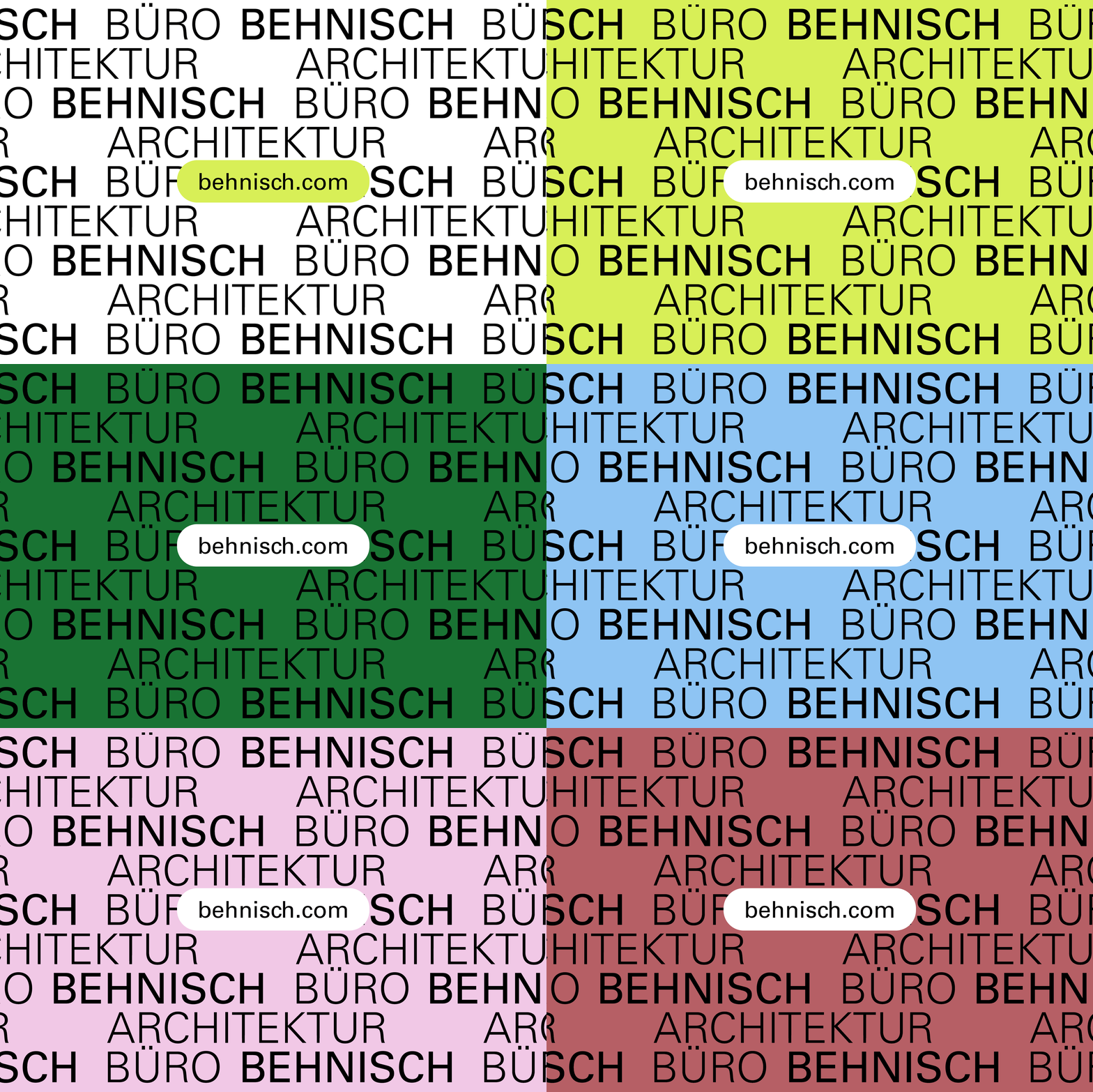
With our new name Behnisch Architekturbüro and the launch of behnisch.com, we mark an important step in the ongoing development of our practice. Across our four locations, we are strengthening our identity as one office, presenting our work and approach in a more unified way. Both reflect a clearer identity and our continued commitment to sustainability, transparency, and sharing knowledge.
The new website is conceived as an open and evolving platform that offers comprehensive access to how we work. It brings together our projects, people, processes, and research in a clear and intuitive structure, designed for both mobile and desktop use.
Sustainability is at the center of the platform. An expanded series of detailed case studies gives deeper insight into design strategies, environmental concepts, and the measurable impact of our projects. These are complemented by a resources section, which brings together research, publications, and insights developed within the office, alongside external sources that inform our work. The website is designed to reveal connections across projects and ideas. Through fluid navigation and closely linked content, users can move between projects, themes, and typologies, from cultural and educational buildings to workplaces and sports facilities. This allows ideas, collaborations, and developments to be understood across different scales.
Our approach to sustainability also extends into the digital experience. The website includes an energy saving mode that reduces data usage and energy consumption during browsing. behnisch.com is not a static portfolio but a working platform for clients, collaborators, researchers, and a wider public. It offers insight into the thinking behind our projects and creates space to explore the topics that continue to shape our practice.
For more details, the full official statement is available here.